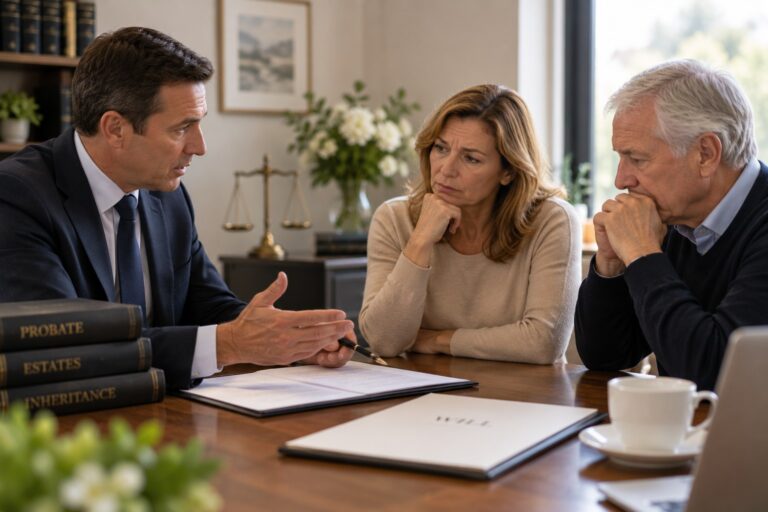
Protecting Every Child in Your Will
The traditional concept of the “nuclear family” has undergone a profound transformation in 21st-century Ireland. As family structures evolve to include blended families, cohabiting couples, and children born through assisted human reproduction, the legal framework governing inheritance has become increasingly complex.
For parents in County Wicklow, understanding the intersection of the Succession Act 1965 and the Children and Family Relationships Act 2015 is no longer optional it is a vital component of responsible estate planning. Cullen O’ Beirne Solicitors recognize that while your family’s love is unconditional, their legal protection under a will depends entirely on precise drafting and a deep understanding of current Irish law.
The Legal Definition of "Child" in Modern Ireland
Historically, Irish succession law was heavily influenced by the marital status of the parents. However, the Status of Children Act 1987 largely abolished the distinction between children born within and outside of marriage regarding inheritance rights. Today, the law generally treats all biological children of a testator (the person making the will) equally.
However, “Modern Family Dynamics” introduce nuances that the law does not automatically resolve:
Step-children: Under the Succession Act 1965, step-children do not have an automatic right to inherit from a step-parent in the absence of a will, nor do they have the same standing to challenge a will under Section 117 as biological or legally adopted children.
Adopted Children: Once a formal adoption order is made, the child is legally considered the child of the adopters as if they were born to them, and they lose inheritance rights from their biological parents.
Foster Children: Similar to step-children, foster children do not have automatic inheritance rights. Specific provisions must be made in a will to ensure they are provided for.

Section 117: The Moral Duty to Provide
One of the most significant aspects of Irish probate law is Section 117 of the Succession Act 1965. This provision allows a child (regardless of age) to apply to the court if they feel their parent has “failed in his moral duty to make proper provision for the child” in their will.
In the context of modern families, Section 117 cases often arise in blended family scenarios where a parent leaves the entirety of their estate to a second spouse, potentially disinheriting children from a first marriage. The court looks at the parent’s duty from the perspective of a “prudent and loving parent,” considering the child’s financial circumstances and the parent’s means. Cullen O’ Beirne Solicitors assist clients in navigating these “moral duty” obligations to minimize the risk of future litigation that could deplete the estate’s assets.

Guardianship and Trusteeship for Minors
For parents of young children, a will is about more than just assets; it is about care. Modern dynamics often involve “co-guardianship” arrangements. Under the Children and Family Relationships Act 2015, the categories of persons who can apply for guardianship have been expanded to include those acting in loco parentis, such as a cohabiting partner who has lived with the parent for a certain period.
When making a will, it is essential to:
Appoint Testamentary Guardians: To ensure your children are cared for by people you trust.
Establish a Trust: Since minors cannot legally hold property, a trust allows you to appoint trustees to manage assets for your children until they reach a specific age (often 18, 21, or 25).
Capital Acquisitions Tax (CAT) and the "Group A" Threshold
From a tax perspective, the status of the child is paramount. The Capital Acquisitions Tax Consolidation Act 2003 provides for different tax-free thresholds. Children (including adopted and certain step-children) fall under Group A, which offers the highest tax-free threshold. However, ensuring that a step-child or a child from a non-traditional arrangement qualifies for this threshold requires careful legal structuring and evidence of the relationship.
Why Professional Legal Advice is Essential
The rise of “DIY” will kits poses a significant risk to modern families. A simple error in defining “my children” can lead to the accidental exclusion of a non-biological child or an unintended windfall for a distant relative. Cullen O’ Beirne Solicitors provide a service that accounts for:
The specific needs of children with disabilities (Discretionary Trust Wills).
The rights of cohabiting partners versus the rights of children.
The protection of family farm or business assets across generations.
Securing your family’s future requires a will that reflects the reality of your life today.
Contact Cullen O’Beirne Solicitors Today
For more information on Wills and Probate Agreements, speak with a solicitor today